
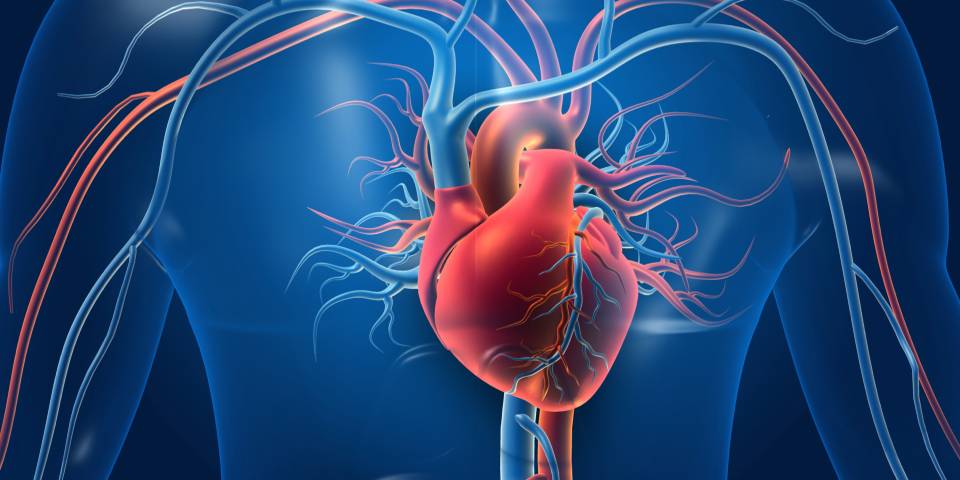
Heart health is one of the most critical aspects of overall well-being, yet many people overlook early warning signs that could indicate serious cardiovascular problems. A blood clot in the heart arteries, often associated with conditions like coronary artery disease or heart attack, can develop silently and become life-threatening if not treated promptly. Recognizing the symptoms early and seeking medical attention can significantly improve outcomes and prevent complications. Awareness, timely diagnosis, and professional care play a crucial role in protecting heart health and saving lives.
One of the most common and alarming signs of a potential blood clot in the heart is chest pain or discomfort. This sensation may feel like pressure, tightness, squeezing, or heaviness in the chest. In some cases, the pain may spread to the shoulders, arms, neck, jaw, or back. Many individuals mistakenly assume this discomfort is related to indigestion or muscle strain, which can delay seeking proper medical care. Persistent or severe chest pain should always be treated as a medical emergency, especially when accompanied by other symptoms such as breathlessness or sweating.
Shortness of breath is another significant warning sign that should never be ignored. When a clot restricts blood flow to the heart, the body may struggle to receive enough oxygen, causing difficulty breathing even during rest or minimal activity. This symptom may occur suddenly or gradually worsen over time. Individuals may also experience unusual fatigue, weakness, or dizziness, which can indicate the heart is under stress and not functioning efficiently. These symptoms often appear together and should prompt immediate medical evaluation.
Sweating, nausea, and vomiting are also associated with heart-related complications, particularly during a heart attack caused by a blood clot. Cold sweats accompanied by chest discomfort or breathlessness are especially concerning. Some people may experience symptoms similar to severe indigestion, including stomach discomfort or a burning sensation in the chest. Because these symptoms can mimic less serious conditions, many individuals delay seeking help, which increases the risk of severe damage to the heart muscle.
Another key indicator is pain that moves or radiates to other parts of the body. For example, discomfort spreading to the left arm or jaw is a classic sign of heart-related issues. However, symptoms can vary between individuals, and some people, particularly women and older adults, may experience atypical signs such as mild discomfort, fatigue, or nausea without intense chest pain. Understanding that symptoms can differ is important for early recognition and timely treatment.
Risk factors also play an important role in determining the likelihood of developing dangerous blood clots in the heart arteries. Conditions such as high blood pressure, diabetes, obesity, high cholesterol, smoking, and a sedentary lifestyle significantly increase cardiovascular risk. Family history of heart disease further elevates the chances of developing similar conditions. Managing these risk factors through healthy lifestyle choices, regular exercise, balanced nutrition, and routine medical checkups can greatly reduce the risk of serious heart complications.
Preventive care and early diagnosis are essential for maintaining heart health. Regular screenings, including blood pressure monitoring, cholesterol tests, and heart function evaluations, help detect potential problems before they become severe. Healthcare professionals may recommend lifestyle modifications, medications, or further diagnostic tests depending on individual risk levels. Hospitals with advanced cardiac care facilities provide comprehensive evaluation and treatment options for patients experiencing symptoms or seeking preventive care.
Life Care Hospital is known for offering specialized cardiac services, including diagnostic assessments, emergency care, and treatment for various heart conditions. Access to experienced cardiologists and modern medical technology ensures patients receive accurate diagnoses and effective treatment plans. Seeking professional guidance at the right time can make a critical difference in preventing complications related to heart artery blockages or blood clots.
Timely intervention is crucial when dealing with heart-related symptoms. Treatments may include medications to dissolve clots, procedures to restore blood flow, or lifestyle changes to prevent recurrence. Medical professionals emphasize that immediate care during the early stages of symptoms can significantly improve survival rates and reduce long-term damage to the heart. Facilities like Life Care Hospital provide emergency cardiac support and ongoing patient care to help individuals recover and maintain heart health.
In conclusion, recognizing the warning signs of a dangerous blood clot in the heart can save lives. Symptoms such as chest pain, breathlessness, nausea, sweating, and radiating discomfort should never be ignored. Understanding personal risk factors and prioritizing preventive care are equally important in reducing the chances of serious cardiovascular events. By staying informed and seeking timely medical attention at trusted healthcare centers like Life Care Hospital, individuals can take proactive steps toward protecting their heart and ensuring a healthier future.